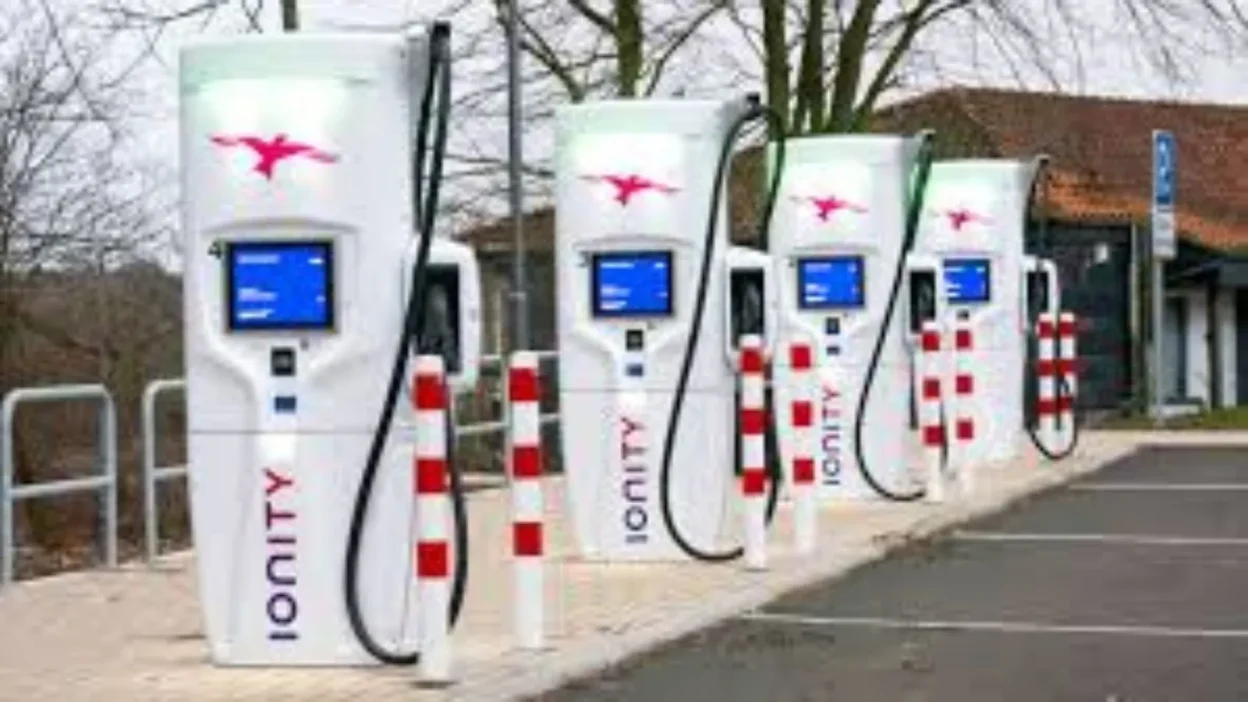
When driving in Germany or searching about travel in Europe, many people come across words like “Ladung,” “Tankstelle,” or “Rastplätzen.”
If you’re not fluent in German, these terms can be confusing. Are they synonyms?
Do they mean the same thing? Why are there different words for what seems like fuel, charging, or rest areas?
This confusion is common among travelers, language learners, and professionals working in logistics or transportation.
Understanding the difference between these terms helps avoid mistakes when planning a trip, reading German signs, or searching online for services like gas stations, electric charging points, or rest areas.
This article will explain what each word means, their origins, how spelling and usage vary, and which term you should use depending on the context.
By the end, you’ll clearly know the difference between Ladung, Tankstelle, and Rastplätzen and how to use them correctly.
Ladung or Tankstelle or Rastplätzen – Quick Answer
- Ladung → Means “load” or “cargo.” In transport, it refers to goods being carried or the act of charging (e.g., electric car charging = Ladung).
- Tankstelle → Means “gas station” or “fuel station.” This is where you refuel vehicles.
- Rastplätzen (plural of Rastplatz) → Means “rest areas” along highways where drivers can stop, rest, or use facilities.
👉 Example:
- A truck driver carries a heavy Ladung (cargo).
- A family car stops at a Tankstelle (gas station) for petrol.
- Travelers relax at Rastplätzen (rest areas) on the Autobahn.
The Origin of Ladung, Tankstelle, and Rastplätzen
- Ladung comes from the German verb laden meaning “to load” or “to charge.” Historically used for ships and goods, today it also means charging batteries.
- Tankstelle combines Tank (fuel tank) + Stelle (place). Literally “place to fill a tank.”
- Rastplatz (singular) comes from Rast (rest) + Platz (place). The plural is Rastplätzen. These were created with Germany’s Autobahn network to provide safe resting spots.
The spelling differences exist because each word represents a different concept in German transport culture.
British English vs American English Spelling
When translating these words into English, regional differences appear.
| German Word | British English | American English | Notes |
| Ladung | Load / Cargo | Load / Cargo | Same meaning both sides |
| Tankstelle | Petrol Station | Gas Station | “Petrol” (UK), “Gas” (US) |
| Rastplätzen | Rest Area | Rest Stop | Slight difference in usage |
So while the German words are fixed, their English equivalents vary between British and American usage.
Which Spelling Should You Use?
- If writing for a German audience: Always use the German words (Ladung, Tankstelle, Rastplätzen).
- If writing for British readers: Translate to load, petrol station, rest area.
- If writing for American readers: Translate to load, gas station, rest stop.
- If writing for global audiences: Use the German term first, then explain in simple English.
Common Mistakes with Ladung, Tankstelle, and Rastplätzen
- Confusing Ladung with Tankstelle → One means “cargo/charge,” the other “fuel station.”
- Using Rastplatz in singular when many are meant → The plural is Rastplätzen.
- Translating Tankstelle as gas everywhere → In the UK, it should be “petrol station.”
- Assuming Ladung only means cargo → It also means “charging” in modern EV use.
Ladung, Tankstelle, and Rastplätzen in Everyday Examples
- Emails (Logistics): “Die Ladung kommt morgen an” (The cargo arrives tomorrow).
- News: “Neue Tankstellen für Elektroautos werden eröffnet” (New stations for electric cars will open).
- Social Media: Travelers post pictures: “Pause an den Rastplätzen der A9” (Break at the rest areas of A9).
- Formal Writing: Legal documents specify “Ladung” for goods in transit.
Ladung, Tankstelle, Rastplätzen – Google Trends & Usage Data
- Ladung is most searched in logistics, shipping, and electric vehicle forums.
- Tankstelle spikes in search during fuel price hikes in Germany.
- Rastplätzen peaks during holidays when travelers look for rest areas.
| Term | Popular in Germany | Popular Globally | Main Context |
| Ladung | ✅ | Limited | Logistics & EV charging |
| Tankstelle | ✅ | Moderate | Fuel prices & stations |
| Rastplätzen | ✅ | Low | German Autobahn rest areas |
FAQs
1. What does Ladung mean in German?
It means cargo, load, or charging (in the case of batteries/EVs).
2. What is a Tankstelle in English?
In the UK: petrol station. In the US: gas station.
3. What are Rastplätzen?
They are rest areas on highways where drivers can stop, use toilets, or take breaks.
4. Is Ladung the same as Tankstelle?
No. Ladung = load/charge, Tankstelle = fuel station.
5. Do these words exist in English?
Not directly. They must be translated depending on context.
6. Can Ladung mean both cargo and charging?
Yes. Context decides whether it’s about goods or electricity.
7. Are Rastplätzen free to use?
Yes, most highway rest areas in Germany are free, but facilities may cost extra.
Conclusion
The question of “Ladung or Tankstelle or Rastplätzen” arises because these German words relate to travel, transport, and logistics but mean different things. Ladung refers to load or charging, Tankstelle means a fuel station, and Rastplätzen are highway rest areas.
When translating into English, the meaning depends on whether you’re using British or American terms. For global communication, it’s best to mention the German word first and then clarify in English.
By understanding these differences, travelers and professionals can avoid confusion, navigate German highways more easily, and communicate more clearly about logistics, fuel, and rest stops.
Discover More Articles:
- Are Foxes Cats or Dogs? The Real Answer Explained 2026
- Super Boof Strain Indica or Sativa? Full Guide 2026
- Ripley’s Believe It or Not Panama City Beach Ultimate Visitor Guide For 2026
- Ingrown Hair or Herpes How to Tell the Difference?2026